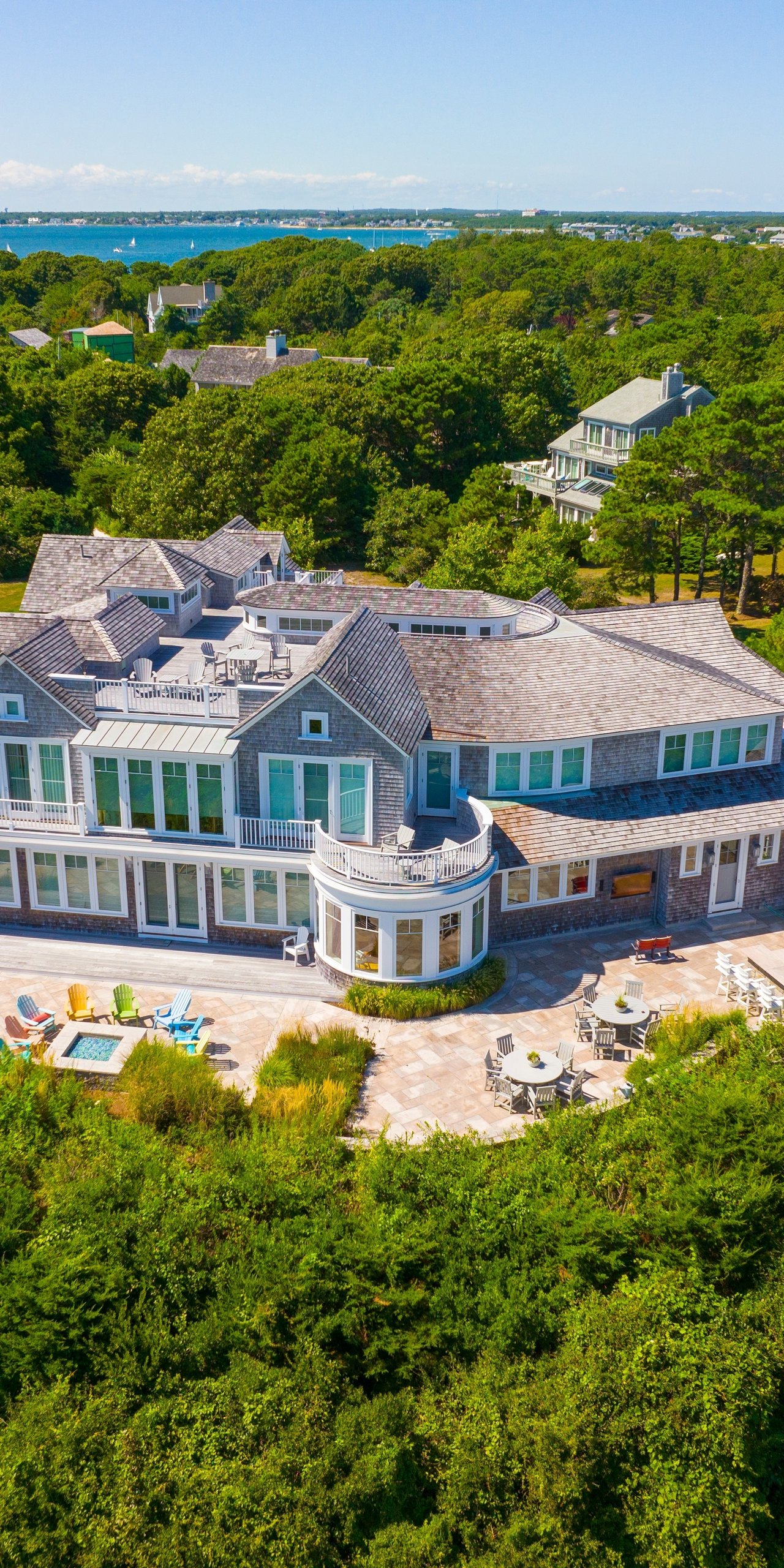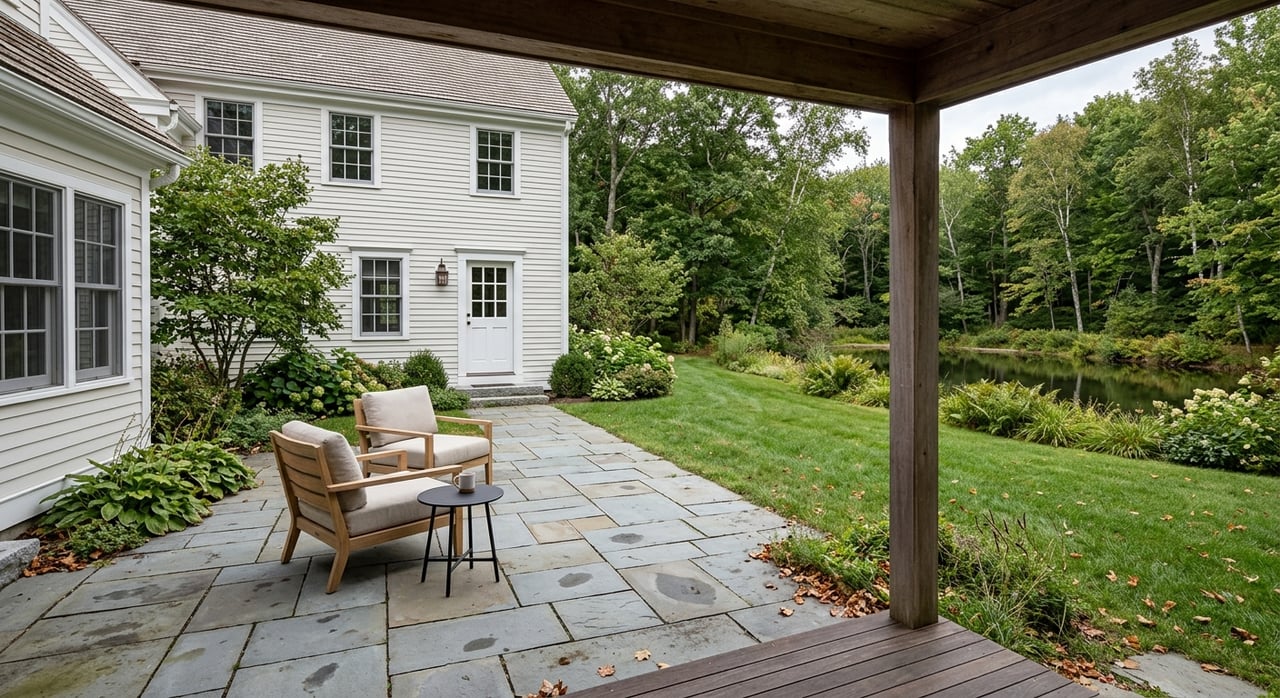
Wondering if “waterfront” in Wayland means peaceful privacy, active recreation, or a little of both? That question matters more here than it might in other towns, because pondside and lakefront living in Wayland can look very different from one property to the next. If you are weighing a move near the water, this guide will help you understand what daily life, access, maintenance, and due diligence really involve before you fall in love with the view. Let’s dive in.
Pondside and lakefront are not the same
In Wayland, water-oriented homes do not fall into one simple bucket. The town’s planning materials describe a landscape shaped by rivers, streams, wetlands, lakes, hills, and forests, with public water access playing an important role in local quality of life.
That means a pondside home may offer a quieter, more residential setting, while a lakefront location can come with a more active, shared-use environment. If you are searching in Wayland, it helps to think less about the label and more about how the specific waterbody functions.
Lake Cochituate offers active water access
Lake Cochituate is the most visible and active water setting in Wayland. The town identifies it as a 625-acre waterbody made up of North, Middle, and South Ponds that extend across Wayland, Natick, and Framingham.
Wayland Town Beach is located on North Pond and adds a strong recreational element to nearby living. In season, the beach offers swimming, lifeguards, weekly water testing, and rentals for kayaks, canoes, paddleboards, and pedal boats.
For many buyers, that creates an appealing lifestyle with easy access to outdoor activity. At the same time, it is important to understand that this is shared and regulated access, not a private marina-style setup.
The town also notes that there is no public motorized boat ramp at the beach. So if your idea of lakefront living includes private-feeling launch access or a heavily boat-oriented experience, you will want to look closely at what is actually permitted and available.
Dudley Pond feels more residential
Dudley Pond often reads differently than Lake Cochituate. It is surrounded by residential areas and conservation land, which can make it feel quieter and more tucked into the neighborhood fabric.
Still, Dudley Pond is also a public great pond. Public access exists through a cartop launch and shore-fishing points with limited parking, so the shoreline is not purely private in the way some buyers first imagine.
This setting can appeal to buyers who want a calmer water backdrop without the higher recreational profile of Lake Cochituate. But it also brings a strong need to pay attention to stewardship, water conditions, and how the shoreline is managed over time.
Smaller ponds are often about setting
Wayland also includes smaller ponds such as Mill Pond and Heard Pond. These are often better understood as neighborhood water features than as classic waterfront lifestyle assets.
For example, the town identifies Mill Pond as a place for winter skating and spring fishing access. The town’s Surface Water Quality Committee also monitors Mill Pond, Heard Pond, North Pond, Dudley Pond, and the Sudbury River for water quality and invasive weed growth.
For you as a buyer, that usually means the value may be more about scenery, nearby recreation, and the feel of the setting than about direct shoreline use. A water view can still be special, but it may come with a different day-to-day experience than buyers expect from the word “lakefront.”
Shared use shapes the lifestyle
One of the biggest realities of living near water in Wayland is that scenery often comes with shared use. In Massachusetts, most great ponds that are not public drinking water supplies are open to everyone for fishing, hunting, and boating.
So even if a home sits along the water, privacy at the shoreline may be more limited than the listing photos suggest. This is especially relevant around Lake Cochituate, where town-managed access points and seasonal activity can add traffic and energy.
That does not make the lifestyle less appealing. It just means you should match the setting to your preferences.
If you want an active, outdoor-oriented environment, shared recreational access may feel like a plus. If you are hoping for a more secluded experience, you will want to look carefully at nearby launch areas, trails, fishing access points, and how public use shows up through the seasons.
Waterfront living comes with more upkeep
A beautiful shoreline usually brings more responsibility than a typical inland lot. In Wayland, that starts with the fact that water quality is not just a town issue. It directly affects how a waterfront or pondside property feels and functions.
The town says Dudley Pond has faced long-term water-quality concerns tied to stormwater, groundwater runoff, and fertilizers. The Surface Water Quality Committee is charged with improving impaired water bodies and controlling invasive weed growth.
That is a useful signal for buyers. The water view is part of a larger watershed system, and what happens upstream or nearby can affect your experience over time.
Landscaping near the water is more regulated
If you picture a wide lawn running straight to the shoreline, Wayland’s local rules may call for a different approach. Chapter 194 regulations say new projects should use native species, limit irrigation in buffer zones, and preserve vegetated, largely unmowed buffers near wetlands.
State guidance for lakefront property points in a similar direction, recommending less lawn, more native vegetation, and regular septic pumping every two to three years. In practical terms, the most polished-looking shoreline is not always the simplest or least expensive to maintain.
For many buyers, this is not a drawback so much as a mindset shift. Waterfront ownership in Wayland often means working with the land and water, not trying to force a conventional backyard plan onto a sensitive site.
Water conditions can change seasonally
Even when a waterbody is actively monitored, conditions can shift. The town says Wayland Town Beach on North Pond is tested weekly during the season and has protocols in place if bacteria or cyanobacteria thresholds are exceeded.
The town also posts algae updates and closure-related notices when needed. That means your due diligence should go beyond asking whether the property has a view or access.
You should also ask about recent advisory history, how often testing occurs, and whether seasonal closures or weed-management efforts are common. Those details can shape how you actually use and enjoy the water.
Permitting can affect your plans
In Wayland, even modest work near water can trigger review. The Conservation Commission reviews work within 100 feet of wetlands, ponds, or intermittent streams, and within 200 feet of perennial streams.
The town also says Chapter 193 permits are required for projects that add more than 500 square feet of impervious area or disturb more than 5,000 square feet of land. On top of that, Chapter 194 gives local protections that go beyond the state Wetlands Protection Act.
For you, this matters any time you are thinking about additions, grading, drainage changes, expanded patios, new driveways, or landscape changes near the water. A lot that looks flexible at first glance may come with meaningful limits.
Docks and shoreline improvements are not automatic
Buyers sometimes assume that owning along the water means you can add a dock or improve the shoreline whenever you want. In Massachusetts, that is not necessarily the case.
The state says private docks, piers, marinas, boat basins, and similar structures may require Chapter 91 waterways licensing. Because many great ponds are public trust resources, shoreline ownership does not automatically give you exclusive control over the adjacent water.
If a property already has a dock, float, or launch area, it is worth confirming what local or state approvals govern it. If it does not, you should avoid assuming that one can be added later without significant review.
Floodplain status matters more than many buyers expect
For pondside and lake-adjacent homes, the lot lines do not tell the whole story. Wayland maintains FEMA flood-hazard and floodplain data layers, and Chapter 194 describes a Federal Flood Plain Protection District tied to FEMA’s 1 percent chance floodplain.
That means floodplain status can be just as important as view orientation, yard size, or water frontage. It may influence future project options and should be part of your review early in the process.
Questions to ask before you make an offer
If you are seriously considering a pondside or lakefront home in Wayland, these are smart questions to ask early:
- Is this true waterfront on a great pond, or mostly a water view with shared public access nearby?
- How much seasonal traffic comes from a town beach, launch area, trailhead, or fishing access point?
- Does the lot sit within a 100-foot wetland buffer, 200-foot stream buffer, or floodplain overlay?
- Are there existing restrictions related to grading, drainage, septic, mowing, planting, or irrigation?
- How often are algae advisories, weed-management projects, or water-quality closures posted for this waterbody?
- If there is an existing dock, float, or launch area, what approval or license governs it?
These questions help you move past the romance of the setting and into the reality of ownership. That is where good decisions get made.
What pondside living really means in Wayland
At its best, living near the water in Wayland offers beauty, recreation, and a strong connection to the natural landscape that defines the town. But it is not a one-note lifestyle.
Some homes offer a more active, community-centered experience near Lake Cochituate. Others feel quieter and more residential near places like Dudley Pond, while smaller ponds may shape the setting more than the daily use.
The key is understanding that water in Wayland is shared, monitored, regulated, and deeply connected to the surrounding land. If you go in with a clear picture of access, upkeep, and permitting, you can choose a property that truly fits how you want to live.
If you are weighing pondside or lakefront options in Wayland and want clear, local guidance on how a property will function in real life, Teri Adler can help you evaluate the details with the calm, hands-on advice that makes a move feel far more manageable.
FAQs
What does lakefront living in Wayland usually mean?
- In Wayland, lakefront living often means living near a shared recreational waterbody, especially around Lake Cochituate, where town-managed access and public use are part of the setting.
What does pondside living in Wayland usually feel like?
- Pondside living in Wayland often feels more residential and quieter, especially near Dudley Pond, but public access and environmental oversight can still be part of the ownership experience.
Are Wayland great ponds private for shoreline owners?
- No. Massachusetts says most great ponds that are not public drinking water supplies are open to everyone for activities like fishing, hunting, and boating, so shoreline privacy may be limited.
What should buyers check about water quality in Wayland?
- You should ask about testing frequency, recent algae or bacteria advisories, closure history, and any weed-management activity affecting the specific pond or lake.
What permits matter for waterfront property in Wayland?
- Buyers should review whether the lot falls within wetland or stream buffer zones, whether floodplain rules apply, and whether future site work could trigger local Conservation Commission review or Chapter 193 and 194 requirements.
Can you add a dock to a Wayland waterfront property?
- Not automatically. Docks and similar structures may require state waterways licensing, and shoreline ownership does not guarantee exclusive rights to build over or control the adjacent water.