Torn between a bigger yard and a shorter commute? You are not alone. Many buyers weigh Wellesley’s space and schools against the convenience of closer‑in neighborhoods like Brookline, Newton, Cambridge, and parts of Boston. In this guide, you will learn how to compare commute options, housing types, village amenities, schools, costs, and resale so you can choose with confidence. Let’s dive in.
How to frame your choice
Wellesley sits about 10 to 15 miles west of downtown Boston with several commuter rail stops and easy access to Route 9, I‑90, and I‑95/128. Closer‑in options are within roughly 0 to 8 miles of downtown and often offer subway or frequent bus service. The right fit depends on your commute tolerance, space needs, lifestyle preferences, and budget.
Commute and daily travel
In Wellesley, many residents use the MBTA Commuter Rail or drive. Trains are comfortable but less frequent than the subway. Schedules and parking availability matter, especially for early mornings and late evenings. You can review current train times and stations on the MBTA’s commuter rail schedules.
Closer‑in neighborhoods often offer the Green or Red Line, frequent buses, and realistic walk or bike commutes for some jobs. Door‑to‑door time is what counts. Test your full route during rush hour, including first‑ and last‑mile steps like parking or walking to a station. MassDOT’s congestion resources can help you understand traffic patterns on Route 9, I‑90, and I‑95/128. Check regional traffic information through MassDOT’s highway traffic.
Housing and lot size
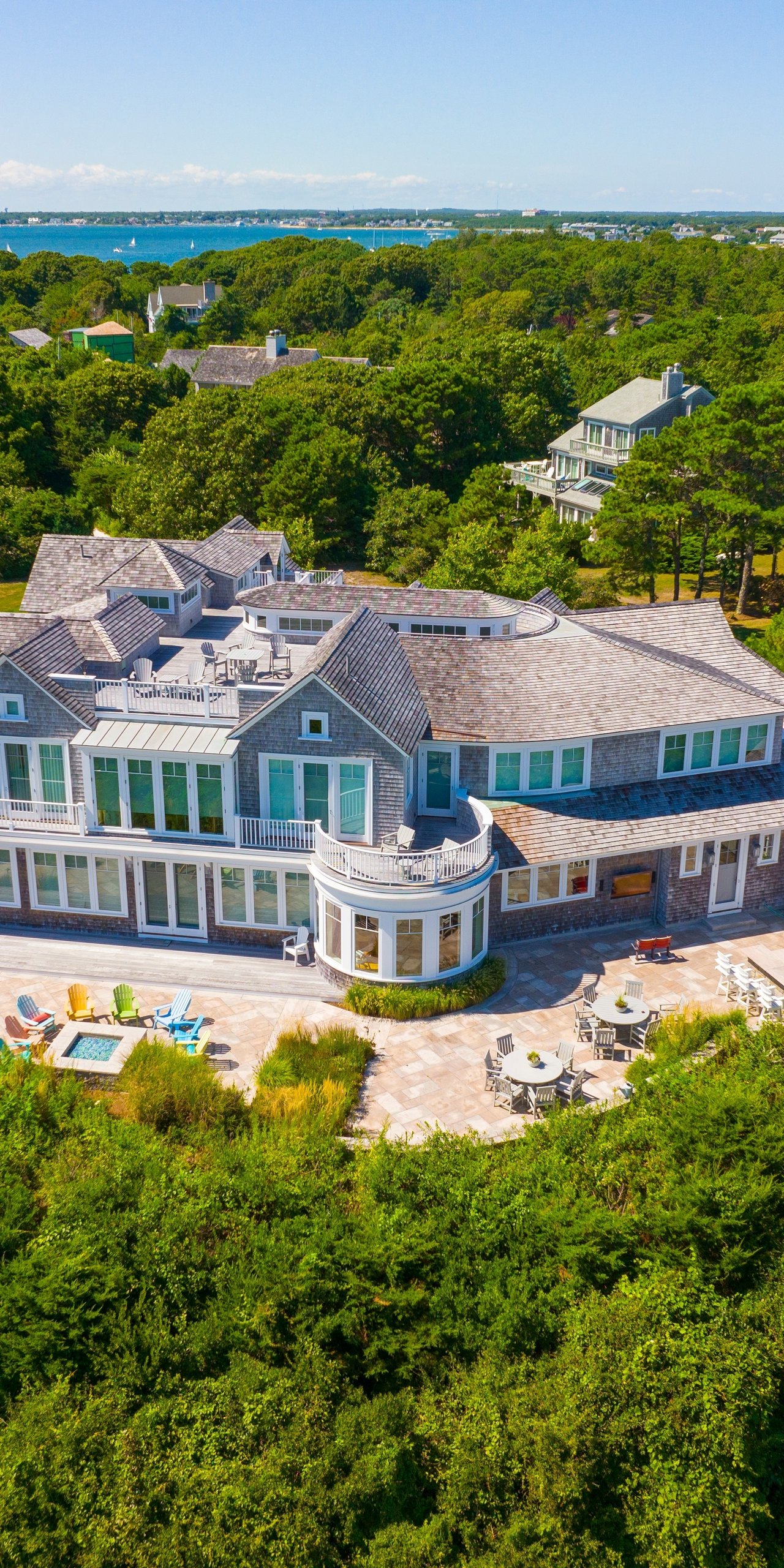
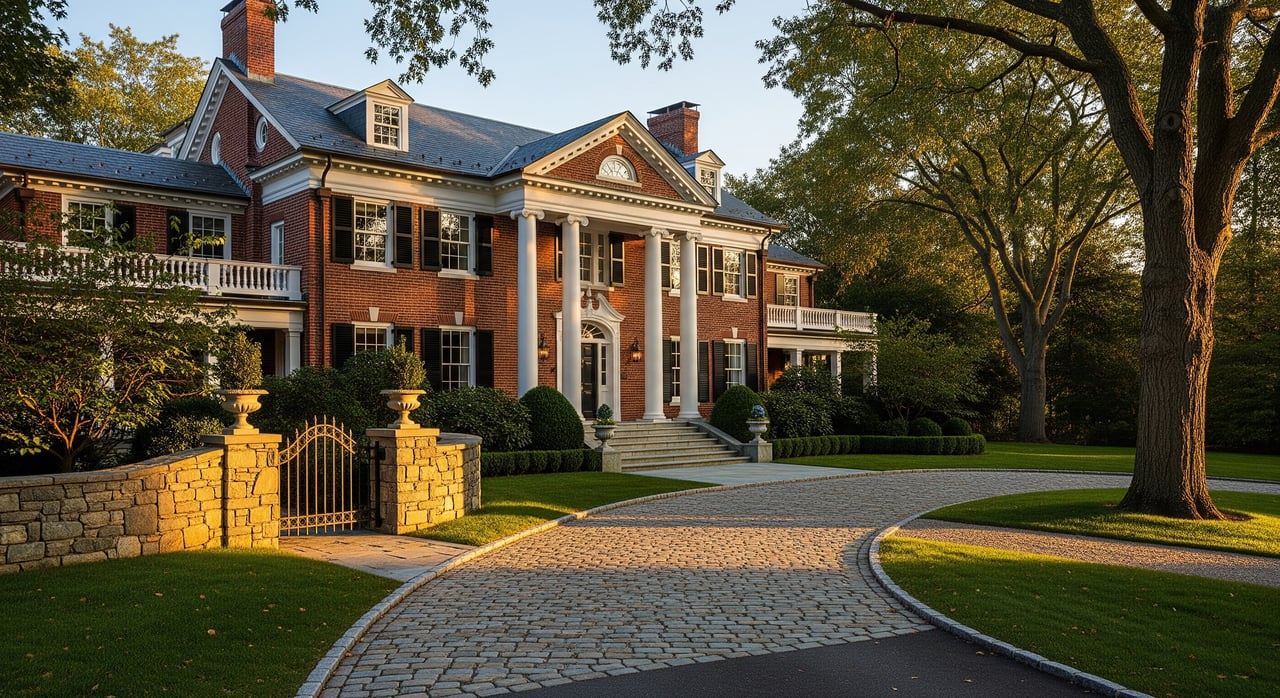
Wellesley is known for single‑family homes on larger lots, including Colonial, Tudor, and Victorian styles along with newer custom builds. Larger properties often mean more privacy and room to grow. They can also require more maintenance and higher utility costs compared to smaller urban properties. For zoning, additions, and permitting context, explore the Town’s Planning Department.
Closer‑in areas feature denser housing like condos, townhomes, and triple‑deckers, plus smaller single‑family homes near village centers. Condo and townhouse living can reduce exterior maintenance but may include HOA fees. Lot sizes and zoning may limit expansions, so review local rules if you plan to add space.
Walkability and village life
Wellesley has distinct village centers, including Wellesley Square, Wellesley Hills, and Wellesley Farms. You will find shops, cafes, a library, and services with a small‑town rhythm. The nightlife is quieter than urban neighborhoods, which many buyers prefer for a calm evening routine. To gauge walkability for daily errands, you can review local maps and ratings such as Walk Score’s Wellesley overview.
Closer‑in neighborhoods usually deliver more continuous commercial corridors, higher restaurant density, and faster access to theaters and museums. If you love late dinners, cultural venues, and spontaneous weekday plans, the closer‑in lifestyle may fit you well.
Schools and childcare
Schools are often a decisive factor. Wellesley Public Schools have a strong reputation, and many families move to the town for K–12 programs and community offerings. For district information, enrollment steps, and program details, start with the Wellesley Public Schools site. For standardized profiles and comparable data across districts and schools, use the Massachusetts DESE school profiles.
Closer‑in options vary. Parts of Newton, Brookline, and Cambridge have well‑regarded public systems, while some urban neighborhoods see families exploring private schools. Early education and daycare availability can be tight in both suburban and urban areas, so check waitlists early.
Cost of ownership
Purchase price is only one part of the monthly picture. In Wellesley, property taxes, utilities for larger homes, and ongoing yard or exterior upkeep are common line items. In closer‑in areas, condo and HOA fees can cover some maintenance but add to carrying costs. Create a full monthly budget before you shop.
Use this checklist to estimate carrying costs:
- Mortgage principal and interest based on your price range and down payment
- Property taxes for target towns and homes
- Homeowner’s insurance and any flood coverage if applicable
- Utilities such as heating fuel, electricity, and water
- HOA or condo fees for attached housing
- Routine maintenance and a reserve for larger projects
To understand how people in each community travel to work and how that might affect your costs, you can review commute mode and time data through the U.S. Census American Community Survey.
Resale and liquidity
In Wellesley, family demand for well‑located single‑family homes supports steady resale prospects, especially near village centers and in established neighborhoods. Closer‑in condos and smaller homes can be very liquid due to a broader buyer base that includes professionals, investors, and downsizers. Sensitivities differ. Suburban single‑family markets can react to mortgage rate changes and family demographics, while urban condos may respond more to job trends and remote work.
For either path, review recent comparable sales, inventory levels, and time on market for your specific property type. Look at any planned transit or zoning changes that could influence appeal in the years ahead.
Try‑before‑you‑buy checklist
Use this list to test your fit before you decide:
- Time door‑to‑door commutes during rush hour from two or three candidate neighborhoods.
- Visit village centers on a weekday lunch, a weeknight, and a weekend morning.
- Review school program details and DESE profiles for your target address. Contact districts about enrollment and boundaries.
- Build a full monthly budget that includes taxes, utilities, HOA fees, and a maintenance reserve.
- Check parking options, including driveway capacity and commuter rail lots, if relevant.
- Review recent comparable sales for your price band and property type.
- Confirm zoning and potential for future expansion if you want to add space later.
Who tends to choose what
- Profile A: You want strong public schools and a private yard. You may lean toward Wellesley and accept a commuter rail or car commute.
- Profile B: You want a short subway commute and a lively restaurant scene. You may lean closer‑in and trade yard size for convenience.
- Profile C: You want flexibility on resale. Evaluate both. Wellesley single‑family homes draw family buyers, while closer‑in condos attract a wide buyer pool.
- Profile D: You work hybrid and want space with occasional city trips. Wellesley can fit if your schedule matches rail frequency and off‑peak travel.
Sample scenarios to compare
- A Wellesley single‑family near Wellesley Square: Commuter rail or Route 9 access, larger lot, potential for additions subject to local permitting, village shops nearby, homeowner‑managed exterior maintenance.
- A Brookline townhouse near a Green Line stop: Subway access for daily commutes, smaller private outdoor space, HOA or association‑managed exterior work, higher restaurant density and late‑night options.
- A Newton single‑family in a village center: Mix of single‑family living with walkable retail, short car or bus trips to transit, variable lot sizes, and local zoning considerations.
You can use municipal sites for zoning and services and the MBTA for transit details. Start with Wellesley’s Planning Department and the MBTA’s commuter rail schedules.
A decision framework you can use
Follow these steps and rank each category high, medium, or low for your household:
- Commute tolerance
- What is your acceptable door‑to‑door time? Do you prefer commuter rail or subway frequency?
- Work flexibility
- How often do you need to be downtown? Will off‑peak transit coverage matter to you?
- Family and schools
- Are public school programs a primary driver now or in the next 5 to 10 years? Review DESE profiles and the Wellesley Public Schools site for objective information.
- Housing form and outdoor space
- Do you prefer a private yard, garage, and more interior space or a low‑maintenance condo or townhouse near shops and transit?
- Budget and carrying costs
- What is your monthly comfort level including taxes, insurance, utilities, HOA fees, and maintenance reserves?
- Lifestyle priorities
- Do you want a quieter village rhythm or quick access to nightlife and cultural venues? Check walkability tools like Walk Score’s Wellesley overview.
- Resale horizon
- How long do you plan to stay? Are you optimizing for long‑term fit or maximum liquidity in a shorter window?
When you have your rankings, test commutes, visit neighborhoods at different times, and run apples‑to‑apples cost comparisons for specific listings. If you want a calm, experienced partner to guide each step and bring off‑market access and hyper‑local context, connect with Teri Adler.
FAQs
How can I estimate commute time from Wellesley vs Brookline?
- Time a door‑to‑door run during rush hour using your actual route. Review the MBTA’s commuter rail schedules and consult MassDOT’s highway traffic resources for road patterns.
What objective sources compare school information across towns?
- Use the Massachusetts DESE school profiles for standardized data and the Wellesley Public Schools site for district programs and enrollment.
What costs should I budget beyond the mortgage?
- Include property taxes, insurance, utilities, HOA or condo fees if applicable, routine maintenance, and a reserve for larger projects. Lot size and ownership type can change these numbers.
Is resale stronger in Wellesley or closer‑in condos?
- It depends on property type and market conditions. Wellesley single‑family homes attract steady family demand, while closer‑in condos often draw a broader buyer pool that can support fast resales.
How can I gauge walkability and day‑to‑day convenience?
- Visit at different times and review tools like Walk Score’s Wellesley overview. Note distances to groceries, parks, fitness, transit, and services you use weekly.