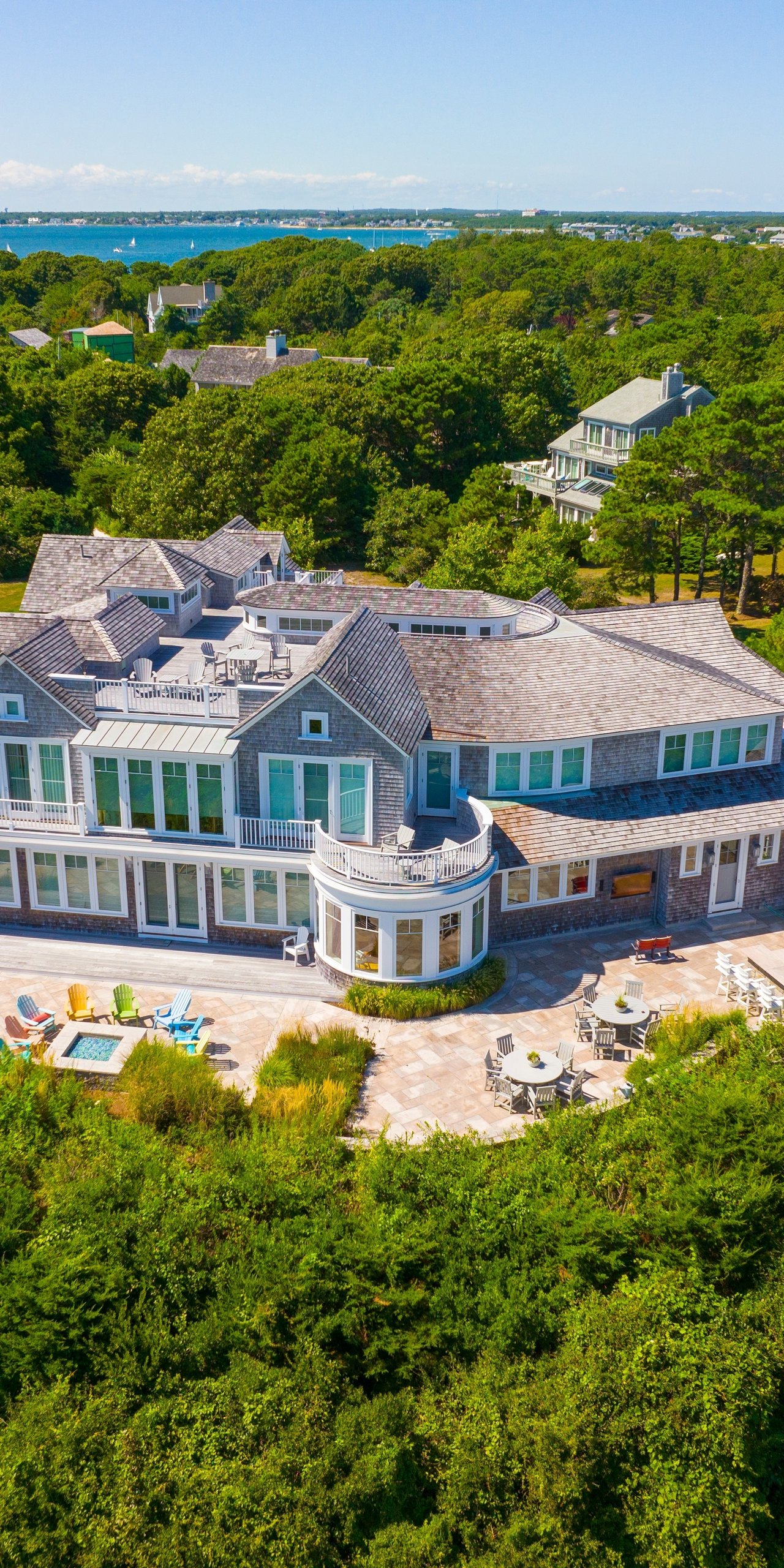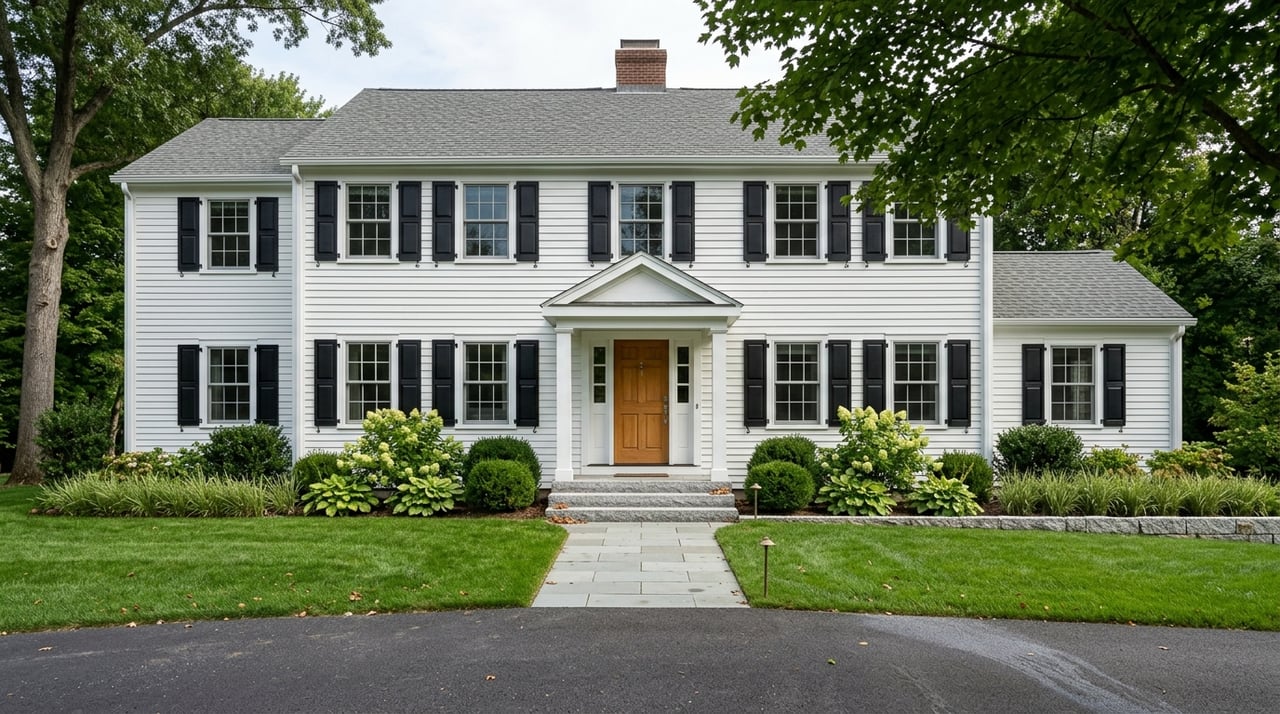
If you search Wellesley as if it were one single market, you can miss what really drives value and fit. A home near a village center can live very differently from one tucked near trails or farther from a train stop, even when both share the same town name. If you want to buy smart in Wellesley, it helps to understand how these small location differences shape daily life, price, and priorities. Let’s dive in.
Why micro-locations matter in Wellesley
Wellesley is not one uniform market. The town is made up of single-family neighborhoods connected by major corridors, village centers, and institutions, with commercial activity centered along Washington Street and Worcester Street. The town also identifies four village-style shopping areas: Lower Falls, Wellesley Hills, Wellesley Square, and Linden Square.
That layout matters because buyers often sort homes by lifestyle first. In Wellesley, your day-to-day routine may hinge on whether you want to walk to errands, reach a commuter rail stop easily, or prioritize yard space and access to open land. Those choices can narrow your search much faster than square footage alone.
Start with your daily routine
Before you focus on finishes or lot size, it helps to ask a simple question: How do you want to live here? In Wellesley, the answer often comes down to three core priorities.
- Walkability and convenience
- Commuter access
- Privacy, land, and outdoor access
Many buyers want all three, but most home searches work best when you rank them. That is because the strongest premium in one micro-location may come from village access, while another area may command attention for larger lots or a quieter setting.
Wellesley Square for walkability
Wellesley Square is the town’s central commercial core. Town design guidelines describe more than 60 stores and restaurants, residential properties around the center, pocket parks, and a historic streetscape. The commuter rail station sits at the heart of the area, which makes this one of the clearest choices for buyers who want errands, dining, and transit in one footprint.
If you picture a lifestyle where you can step out for coffee, handle daily tasks, and stay close to the train, the Square is often the natural starting point. It is one of the most walkable parts of town, and that convenience tends to shape both demand and pricing.
The housing stock here can also feel different from other parts of Wellesley. The nearby Cottage Street Historic District includes 65 properties on Cottage, Washington, Abbott, Waban, and Weston Road, reflecting an older pattern of development. In practical terms, that often means more character, more compact settings, and less emphasis on large lawns.
Wellesley Hills for variety and transit
Wellesley Hills offers a different kind of convenience. The town describes it as a mixed-use area with diverse businesses, nearby homes, and a commuter rail connection, along with one- and two-family homes, apartment buildings, and mixed-use residential and commercial properties.
For buyers, that usually means more housing variety than you may find right around the Square. It can appeal if you want to stay connected to daily activity and transit, but you are open to a more mixed setting rather than a classic village-center feel.
Wellesley Hills is especially useful to consider if your search includes both lifestyle and flexibility. You may find that the area gives you a broader mix of home types while still keeping commuter access front and center.
Linden Square, Lower Falls, and State Street
Not every convenient location in Wellesley is built around a classic walk-to-everything village core. Linden Square, Lower Falls, and State Street each offer practical access, but they function differently from Wellesley Square.
Town studies describe Linden Square as more of a shopping district, with larger commercial uses and large parking lots, plus limited nearby residential units. Lower Falls includes offices, restaurants, senior housing, medical space, and retail near the Newton line, while State Street serves as another convenience corridor with retail and office uses near residential neighborhoods.
These areas can make sense if your priority is easy access to groceries, services, and major roads. They are often a fit for buyers who value efficiency and connectivity more than a polished village atmosphere.
Train access changes the search
Commuter access is not a minor detail in Wellesley. The town has three regional rail stops on the Framingham/Worcester line, along with local bus, shuttle, and microtransit options. Route 1 bus service runs along Route 9 between Natick Mall, Wellesley Square, Babson, MassBay, and Woodland T, and Catch Connect offers first- and last-mile service within Wellesley and to Woodland and Waban.
That transit network can meaningfully shape your search area. For some buyers, it supports a one-car household or at least makes the routine feel more manageable, especially when daily life includes both commuting and errands.
If your work schedule depends on the train, streets near the commuter rail stops often move to the top of the list. That is especially true around Wellesley Square and Wellesley Hills, where train access and village convenience overlap.
Leafier areas offer a different lifestyle
If your version of home is quieter, greener, and more centered on outdoor space, Wellesley has a very different side. The town says about 33% of Wellesley is open space, and the trail system totals 48 miles, with 30 miles marked as an interconnected network.
That open-space pattern helps explain why some pockets feel far removed from the village centers. Areas near Morses Pond, Town Forest, Fuller Brook, the Charles River path, the Babson and Wellesley College corridors, and the aqueduct trail system can support a more outdoor-focused routine.
For many buyers, that trade-off is worth it. You may give up some walkability or instant station access, but gain more privacy, a larger yard, and a stronger sense of separation from the busier commercial areas.
Lot size and setting vary more than you think
Wellesley’s housing stock adds another layer to the micro-location story. In the town’s 2025 Strategic Housing Plan, the median single-family lot size is listed at 15,000 square feet, with the upper quartile at 23,295 square feet.
That tells you something important: even within established neighborhoods, lot scale can change significantly from one pocket to the next. A leafy address might include an older home, a rebuilt home, or a very different site layout than a nearby street.
The town’s zoning map also shows several single-residence districts, from SR10 through SR40. While buyers do not need to memorize zoning labels, those districts help explain why some areas feel more compact and village-adjacent, while others feel more private and estate-like.
Price works differently by micro-location
The clearest public price anchor in Wellesley is town-wide. The 2025 Strategic Housing Plan reports a 2024 median sale price of $2,103,500 for single-family homes and $1,787,500 for condominiums.
Those numbers are helpful, but they do not tell the full story of how buyers evaluate location inside town. In practice, micro-locations closer to village centers and stations tend to reflect convenience, character, and walkability. Leafier pockets often reflect lot size, privacy, and overall setting.
Wellesley’s condominium market also deserves a close look. The same housing plan notes that the rise in condo pricing was tied in part to newer high-cost projects, which means a condo here is not simply a lower-cost alternative. Often, it is a different housing-type choice with its own location and lifestyle trade-offs.
How to match location to your priorities
A focused search starts with honesty about what matters most to you. In Wellesley, that often means choosing your lead variable before you fall in love with a specific house.
If you want walk-to-everything
Start with Wellesley Square, then consider Wellesley Hills. These areas tend to make the most sense if you want stores, restaurants, and train access close at hand.
If you want a train-first commute
Focus on streets near the town’s three commuter rail stops. The Square and Hills usually stand out first because they combine station access with nearby daily conveniences.
If you want easy errands and road access
Look toward Linden Square, State Street, and the Route 9 corridor. These areas can simplify groceries, services, and getting in and out of town.
If you want yard space and quiet
Explore pockets closer to trails, ponds, and lower-density residential areas. These parts of Wellesley often trade immediate convenience for space, privacy, and a more outdoor-oriented rhythm.
If you want character and project potential
Older neighborhoods around the Square and other established single-residence streets may be worth a closer look. These locations can offer architectural character and, in some cases, renovation or rebuild potential.
Why local guidance matters here
In a town like Wellesley, two homes with similar numbers on paper can feel completely different once you understand the block, the route to the train, the nearby commercial activity, or the amount of open space around them. That is why local context matters so much.
A strong home search here is not just about finding inventory. It is about narrowing the town in a way that matches how you actually want to live, commute, and spend your time.
If you are planning a move in Wellesley or comparing micro-locations across town, Teri Adler can help you evaluate the trade-offs with clear local insight and a calm, strategic approach.
FAQs
What does “micro-location” mean in a Wellesley home search?
- It means the specific part of town where a home sits, such as near a village center, train stop, major road, or open-space area, which can strongly affect lifestyle and value.
Which Wellesley areas are best for walkability?
- Based on town planning materials, Wellesley Square is the top choice for walkability, with Wellesley Hills also offering a convenient, transit-connected setting.
How important is commuter rail access in Wellesley?
- It is a major factor for many buyers because Wellesley has three regional rail stops, plus bus, shuttle, and microtransit options that can shape daily commuting.
Are all Wellesley neighborhoods similar in lot size and setting?
- No. The town’s housing plan shows meaningful variation in lot sizes, and zoning patterns help explain why some areas feel compact while others feel more private and spacious.
Is a Wellesley condo usually a lower-cost alternative to a single-family home?
- Not necessarily. The town’s 2025 housing plan shows a high median condo sale price in 2024 and notes that newer high-cost projects helped drive that number up.
What should you decide first when buying in Wellesley?
- A practical first step is deciding whether your top priority is walkability, commuter ease, or land and privacy, because that choice usually points you toward the right micro-locations.