Love the idea of owning a piece of American history? In Concord, many homes date back centuries and sit along streets that helped shape the nation. If you are drawn to wide-plank floors, hand-hewn beams, and classic New England streetscapes, you are not alone. In this guide, you will learn how to evaluate historic homes in Concord, what rules may apply, what inspections to prioritize, and how to plan upgrades that respect character while improving comfort. Let’s dive in.
Why Concord’s historic homes stand out
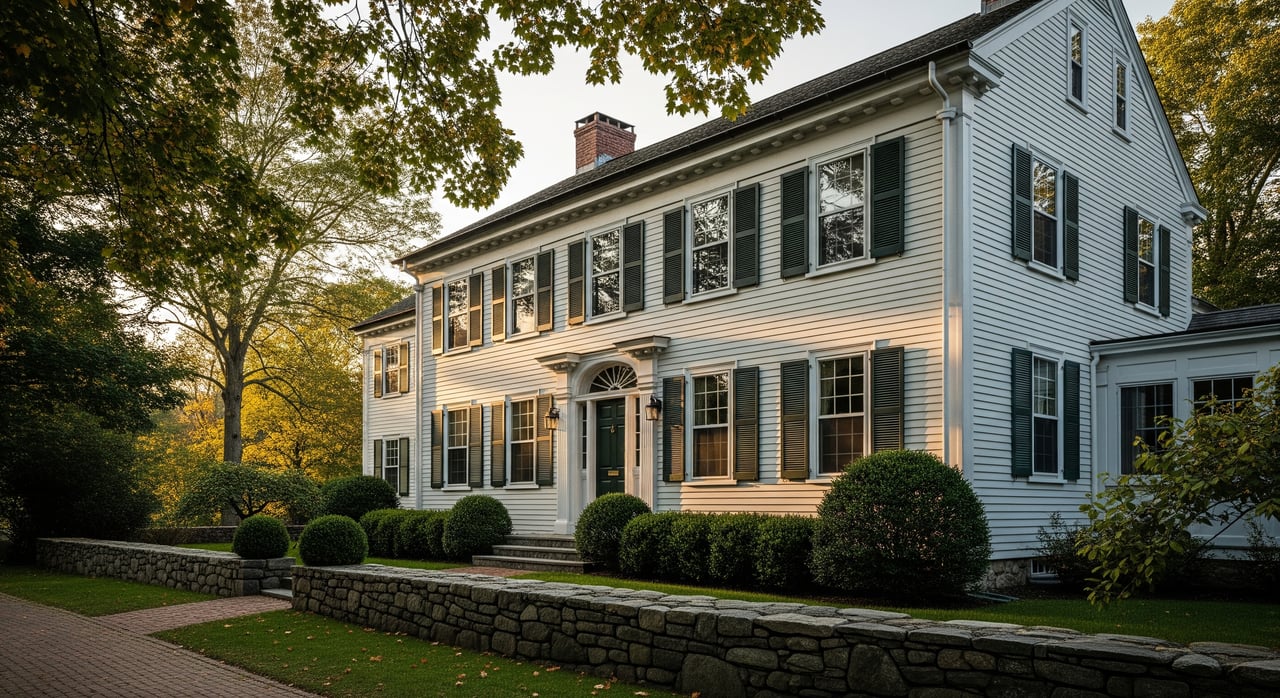
Concord in Middlesex County, incorporated in 1635, is known for its Revolutionary War heritage and 19th-century literary legacy. The town’s architecture reflects that history. You will find Colonial and Georgian/Federal homes near Concord Center, Greek Revival and Victorian-era styles on village streets, and early 20th-century revivals in later neighborhoods. Some properties sit on rural parcels, while others line walkable village corridors.
Style and era affect maintenance, permitted changes, and long-term planning. For example, a Colonial timber-frame with original windows may need specialized repair, while a Victorian with decorative trim may require more detailed exterior work. Understanding what you are buying helps you set realistic budgets and timelines.
Know your designations and rules
Local historic districts and HDC review
Local historic districts in Massachusetts are enabled by Massachusetts General Laws Chapter 40C. In Concord, a Historic District Commission (HDC) typically reviews exterior changes visible from a public way and issues a Certificate of Appropriateness. Interior work is generally not regulated by the HDC. The process, timelines, and materials standards can affect renovation plans, so it is smart to confirm requirements early through the Town of Concord.
National Register listing vs. local control
If a property is listed on the National Register of Historic Places, it is recognized for its significance but is not restricted from private changes unless federal funding or permits are involved. Learn more from the National Register program. Local district rules, not National Register listing, usually determine what you can do to the exterior.
Demolition review and preservation restrictions
Older buildings can be subject to demolition-delay bylaws or HDC oversight if located in a district. Some homes also have preservation restrictions or easements recorded on the deed that limit alterations. To confirm status, check the assessor’s data, building permit history, HDC records, and recorded documents via the Town Clerk or registry references on the Town of Concord site. The Massachusetts Historical Commission offers statewide inventory information and technical guidance.
Do smart due diligence before you bid
Verify status and records
- Ask whether the home is in a local historic district, individually landmarked, National Register listed, or under a preservation restriction.
- Review the assessor’s card, building permit history, and any prior HDC approvals or conditions.
- Order a title search to identify easements, restrictions, or unique right-of-way conditions.
Hire the right inspectors
Historic homes benefit from a skilled team. In addition to a general home inspector experienced with older structures, consider:
- Structural engineer for signs of settlement, sagging floors, or heavy timber framing.
- Historic-building specialist for masonry, wood cladding, and original windows.
- Hazardous-materials inspector for lead paint and, if relevant, asbestos or knob-and-tube wiring.
- Certified chimney sweep to evaluate masonry, liners, and flues.
Expect age-related issues
- Foundations and drainage. Stone or rubble foundations may show movement or moisture infiltration. Site grading and gutters often need attention.
- Electrical, plumbing, and heat. Knob-and-tube wiring, cloth-covered conductors, galvanized pipes, and older boilers or radiators can require upgrades.
- Roof and chimney. Flashing, masonry repointing, and roof structure repairs are common.
- Windows and insulation. Original single-pane sash can often be repaired and weatherstripped; many older homes lack modern insulation.
- Finishes and trim. Plaster, wide-board floors, and period moldings usually need specialized repair rather than replacement.
Financing and insurance basics
Conventional mortgages work for historic homes when the property is habitable and appraises well. If you plan significant renovations, consider renovation-friendly options like FHA 203(k) or Fannie Mae HomeStyle, or consult lenders about private renovation loans and home-equity strategies. Insurance premiums may reflect older systems, roof type, or unique materials. An early conversation with your insurance advisor helps you anticipate required repairs and costs.
A quick buyer’s checklist
- Verify local and state historic designation status.
- Ask the seller for any recorded restrictions or prior HDC approvals.
- Order a full home inspection and targeted specialist evaluations.
- Review permit history and HDC meeting records.
- Obtain a title search for easements or covenants.
- Consult Concord’s HDC if planning visible exterior work.
- Get bids from contractors experienced with historic properties.
- Confirm insurance availability and cost.
- Align financing with your renovation scope and timeline.
Plan upgrades that respect character
Before you sketch plans or solicit bids, confirm what work will require HDC approval. Helpful technical guidance is available through the NPS Preservation Briefs.
Principles that work
- Repair over replace when feasible. Original materials like wood sash, clapboards, and moldings add authenticity and value.
- Favor reversible solutions. Interior storm windows, non-invasive HVAC runs, and careful fastener choices let future owners reverse changes if needed.
- Design compatible additions. Keep new massing and rooflines subordinate, set back from primary façades, and sympathetic in proportion without copying details exactly.
Energy efficiency with minimal visual impact
- Start with attic air-sealing and insulation. These are often the most cost-effective improvements and may avoid HDC review.
- Improve basements and crawlspaces where appropriate to manage moisture and heat loss.
- Restore and weatherstrip original windows. Add interior or exterior storms to boost performance.
- Consider heat pumps. Mini-splits or discreet ducted systems can work well when outdoor units are placed out of street view and screened.
- Manage moisture. Use insulation and vapor controls that protect historic fabric and prevent condensation inside old walls.
Materials and craft
Engage contractors who understand historic carpentry, masonry repointing, and plaster repair. Where visible replacements are proposed, expect to use materials that match the traditional look and profiles, or provide a strong case for approved alternatives. Early coordination with Concord’s Building Department and Historical Commission helps you set the right path and avoid delays.
Local resources to guide your purchase
- Town of Concord municipal portal: permits, boards, maps, and HDC contacts. Start at the Town of Concord.
- Massachusetts Historical Commission: inventories, technical guidance, and programs at the MHC site.
- National Register basics and research tools via the National Register program.
- Technical how-tos for older houses in the NPS Preservation Briefs.
- Concord Museum for local history context: Concord Museum.
- Concord Free Public Library for deed research, house histories, and local collections: Local History.
- Historic New England for regional guidance, workshops, and resources: Historic New England.
- Minute Man National Historical Park for landscape context and historic sites: Minute Man NHP.
- Federal tax incentives overview for income-producing historic properties: NPS Tax Incentives.
Putting it all together
When you buy a historic home in Concord, you are choosing craftsmanship, story, and setting. Success comes from patient due diligence, the right inspection team, and a clear plan for respectful upgrades. If you check the designations, understand the review process, and budget for specialized work, you can preserve what makes the house special while making it comfortable for modern living.
If you are considering a historic home in Concord or nearby MetroWest, reach out for calm, hands-on guidance from search to closing. Teri Adler can connect you with trusted inspectors, preservation-minded contractors, and a clear strategy to buy with confidence.
FAQs
Does a Concord historic district stop me from renovating?
- Usually not. Local HDCs review exterior changes visible from the street and issue approvals. Interior work is generally not regulated. Confirm requirements with the Town of Concord.
What does National Register listing mean for my plans?
- National Register listing is an honor and may open some resources, but it rarely restricts private changes unless federal funds or permits are used. Local district rules typically govern exterior work.
Are there tax credits for owner-occupied restorations?
- Federal rehabilitation tax credits generally apply to income-producing properties. State and local incentives vary, so check with the Massachusetts Historical Commission and Concord officials for current options.
Which inspections are most important for an older house?
- In addition to a general home inspection, consider a structural engineer, hazardous-materials testing, a historic-building specialist, and a certified chimney sweep.
Should I replace old windows to improve efficiency?
- Not always. Many historic windows can be repaired and weatherstripped, and storm windows can boost performance. Replacement in local districts often requires HDC approval.