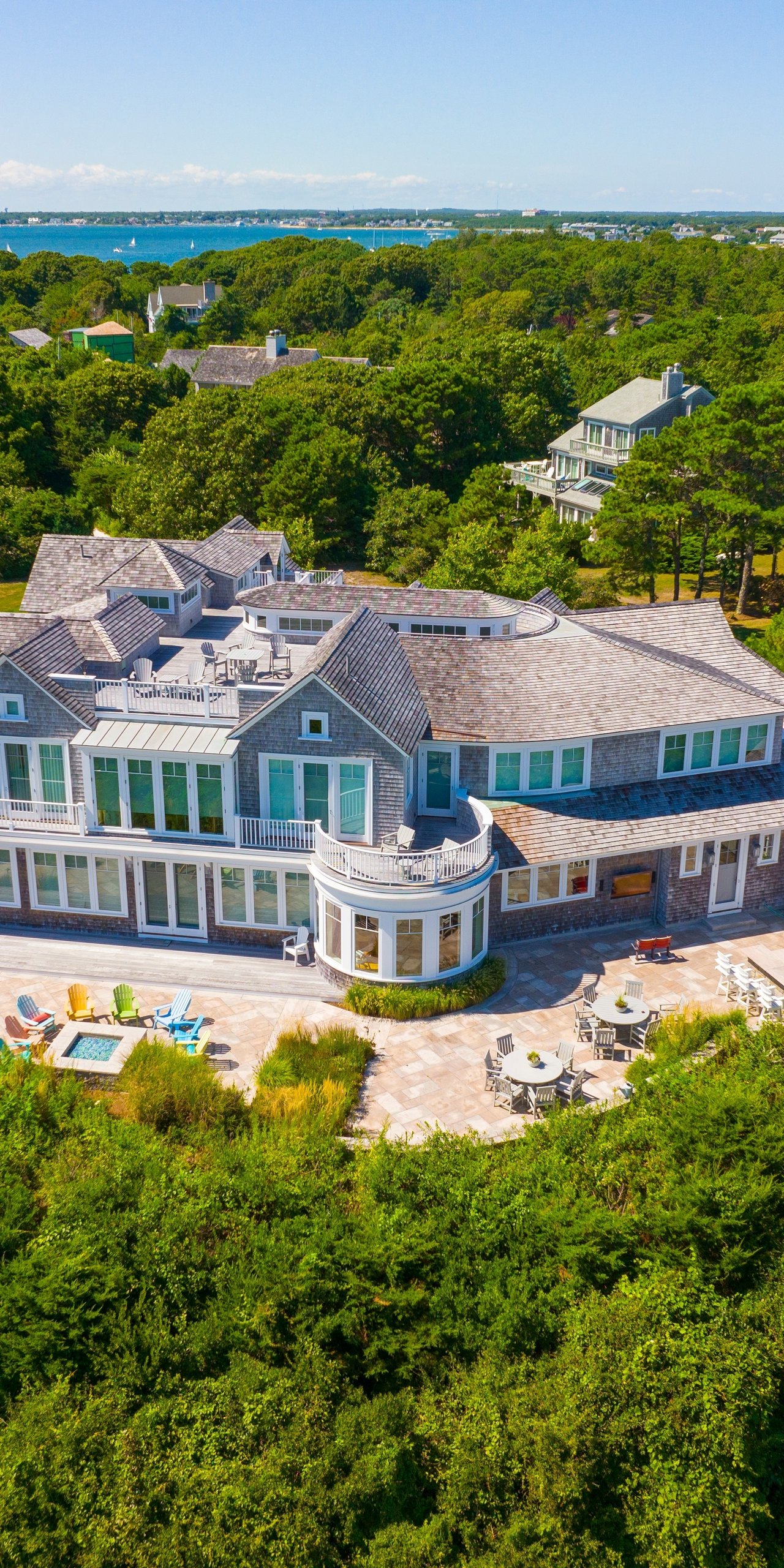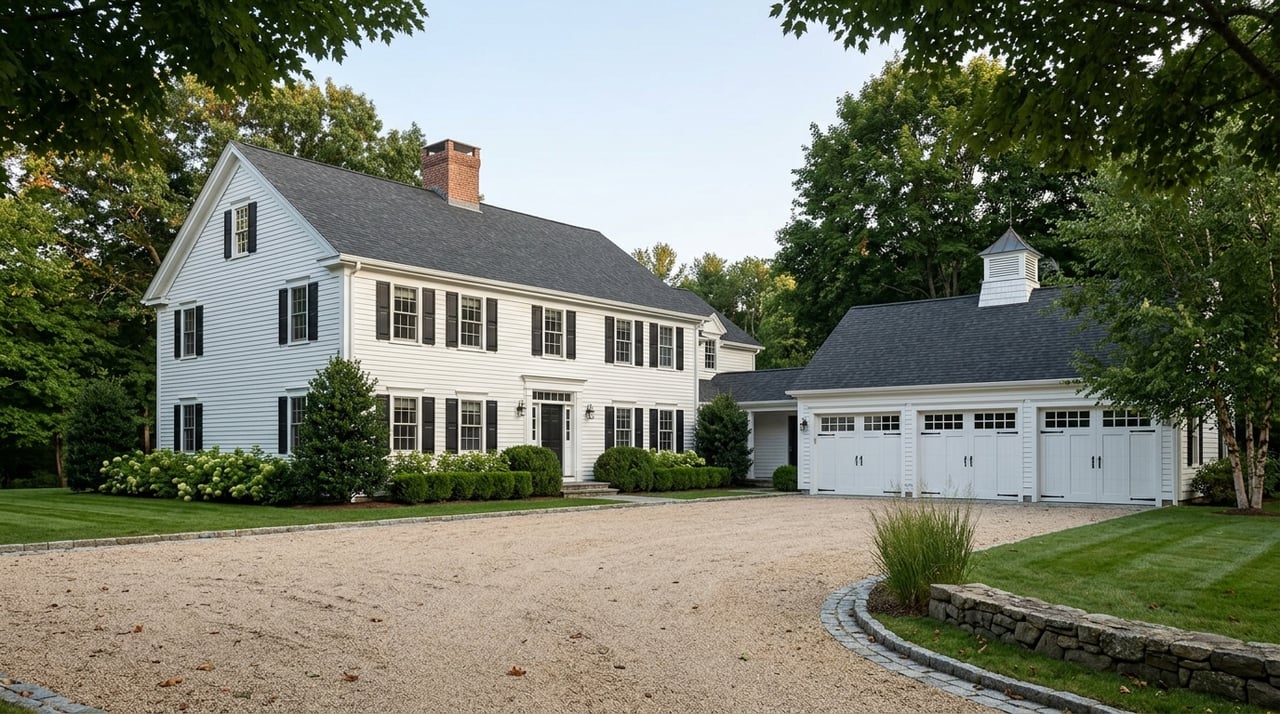
If you are drawn to privacy, land, and a quieter pace without giving up access to Boston, Dover likely stands out for a reason. This is a town where larger lots, open space, and a strong country setting shape daily life, but that lifestyle also comes with more property-specific planning than many buyers expect. If you are considering estate or country living here, it helps to understand both the appeal and the responsibilities before you make a move. Let’s dive in.
Why Dover Feels Different
Dover has a distinctly residential character and a small-town setting in Norfolk County. The town reports that it is about 40 minutes from downtown Boston and borders Medfield, Natick, Needham, Sherborn, Walpole, and Westwood.
That balance is a big part of Dover’s appeal. You can enjoy a more rural, land-rich environment while still staying connected to surrounding suburbs and the city for work, errands, and dining.
Dover is also a very small community by population. Census QuickFacts shows a 2024 population estimate of 6,057, along with an owner-occupied housing rate of 97.9%, which helps explain why the housing stock often feels stable and tightly held.
What Country Living Looks Like in Dover
Dover’s country feel is not just a marketing phrase. Town materials point to visible farming heritage, including open pasture, old stone walls, farmhouses, and barns that still shape the landscape today.
The town’s master planning materials also describe extensive bridle trails and a country environment that supports horseback riding, snowshoeing, cross-country skiing, and nature walking. In practical terms, that means the setting often feels more spacious and more connected to land than a typical suburban neighborhood.
You also see that pattern in the town’s conservation footprint. Dover’s Conservation Commission oversees more than 450 acres of town-owned conservation land, and buyers will also find open-space resources managed by the Dover Land Conservation Trust, Hale Reservation, The Trustees of Reservations, the Massachusetts Horticultural Society’s Elm Bank Reservation, and the town itself.
Outdoor Access Is Part of Daily Life
For many buyers, Dover’s outdoor access is a major part of the draw. The town highlights miles of trails for walking, birding, cross-country skiing, and horseback riding, along with access to the Charles River.
The town specifically points riders to Noanet Woodlands, Wylde Woods, and the Norfolk Hunt Club. Dover also has two Charles River boat-launching sites, located at Bridge Street and Riverside Drive.
This is also not a place where open land exists only behind private gates. The Open Space Committee sponsors guided walks through conservation lands and year-round 2nd Saturday Strolls, which reflects an active community culture around land stewardship and outdoor use.
Lot Size Matters in Dover
One of the first things buyers should understand is that lot rules are central to how Dover looks and functions. The town’s zoning framework includes three residential districts with minimum lot sizes and frontages of:
- 1/2 acre and 100 feet
- 1 acre and 150 feet
- 2 acres and 200 feet
Those standards help preserve the spacious feel that many buyers want. They also mean that two properties with similar acreage may not offer the same future flexibility.
Dover also applies what it describes as the “perfect square” rule. In simple terms, a buildable lot must be large enough to contain a square whose sides match the frontage requirement for that zoning district.
That is an important detail if you are evaluating land shape, possible additions, or redevelopment potential. A lot can look generous on paper, but its usability may depend on frontage, configuration, and local zoning compliance.
Estate Buyers Should Expect More Due Diligence
In Dover, larger properties often require a more careful review before you buy. This is especially true if you are comparing an older estate, a property with outbuildings, or a parcel where you may want to make changes over time.
A smart buyer will usually want clear answers to a few practical questions early in the process:
- Does the lot meet current size and frontage rules?
- Is the home served by a private well?
- What were the results of the required water-quality test?
- Is the septic system current, properly sized, and recently maintained?
- Will any planned additions or site work trigger town review?
These are not minor details. In a town like Dover, they are part of the ownership picture from day one.
Wells and Septic Are Core to Ownership
If you are moving from a town with broader public utility coverage, this may be one of the biggest adjustments. Dover says its water and wastewater infrastructure is limited, nearly 70% of residential dwellings are served by private wells, and nearly 100% of houses rely on individual septic systems because there are no town sewers.
That makes well and septic planning a core part of buying and owning property here. It is especially important on larger parcels, where landscaping, irrigation, and outdoor amenities can all affect long-term water use and maintenance planning.
Dover also requires a water-quality test on a well before the sale of an existing house with a well. For septic systems, the town says pumping should happen at least every two years on average, depending on household size.
None of this should scare you off. It simply means you should approach a Dover purchase with the right expectations and a clear understanding of the property’s systems.
Water Use Deserves a Closer Look
For buyers drawn to broad lawns, gardens, mature landscaping, or a pool, water use is another important consideration. Dover’s water-restriction bylaw applies to Aquarion, municipal water, and private wells, and the town posts drought-related watering limits when conditions warrant.
That matters because estate-style living often includes features that use significant water. Irrigation systems, large lawns, vegetable gardens, and expansive plantings can all affect how you plan and maintain the property.
Before you buy, it is wise to think beyond the house itself. Consider how the land will function in different seasons and how water restrictions could affect your routines and upkeep.
Trees, Stone Walls, and Site Work May Be Regulated
One of Dover’s biggest strengths is its preserved landscape. The flip side is that changes to that landscape may require review.
The town’s tree guidance points property owners to the Scenic Road Act, wetlands rules, and stormwater bylaws. Dover also notes that some stone-wall changes or tree removals may require hearings, and if a tree is located on town right-of-way or a designated scenic road, the Tree Warden and Planning Board may need to be involved.
For buyers, the takeaway is simple. If you are imagining a major driveway rework, clearing trees for a new lawn plan, or altering stone features, you should confirm what approvals may be needed before making assumptions.
Equestrian or Hobby Farm Buyers Have Extra Considerations
Dover’s landscape and trail network can make it especially appealing if you are looking for a property with barns, livestock potential, or equestrian features. But those uses come with town oversight too.
If a property includes barns, livestock, or waterfowl, Dover says its Animal Inspector conducts annual barn and livestock inspections. The town also has manure rules governing stockpiles and spreading.
That does not lessen the appeal for buyers who want that kind of lifestyle. It simply underscores that Dover is a managed landscape, where country living and local regulation go hand in hand.
The Financial Picture Buyers Should Know
Dover is firmly an upper-tier housing market, and the ownership costs reflect that. Census QuickFacts shows a median household income above $250,000 and median monthly owner costs with a mortgage above $4,000.
The town’s FY2026 tax rate is $11.19 per $1,000 of assessed value. Dover also reports an average single-family valuation of $1.72 million and a median valuation of $1.479 million.
Those numbers help frame what buyers can expect, especially if you are comparing Dover with nearby towns. Beyond purchase price, it is important to budget for taxes, property maintenance, septic upkeep, landscaping, and the longer-term care that often comes with larger grounds.
Commuting and Access Expectations
Dover offers a quieter setting, but it is not built around in-town rail access. The town’s MBTA Communities page notes that there is no MBTA station within Dover town limits.
For many buyers, that is a reasonable trade-off for more land and a more private environment. Still, it is worth factoring into your daily planning if you commute regularly or want quick transit access as part of your search.
At the same time, the town says Dover is about 40 minutes from downtown Boston, which helps explain why it remains attractive to buyers who want space without feeling fully removed from the region.
What Buyers Can Expect Overall
The clearest way to think about Dover is this: you are not just buying a house. You are buying into a landscape.
That landscape can offer privacy, acreage, heritage architecture, trails, and a strong sense of open space that is increasingly hard to find close to Boston. But it also asks more of you as an owner, from well and septic oversight to water-use planning and a closer look at what can and cannot be changed on the land.
For the right buyer, that is exactly the point. Dover offers a distinctive kind of MetroWest living, one where the setting is a major part of the value and thoughtful due diligence helps protect your investment.
If you are considering a move to Dover and want a steady, informed view of how a specific property fits your goals, Teri Adler can help you evaluate the details with care and confidence.
FAQs
What is estate and country living like in Dover, MA?
- Estate and country living in Dover usually means larger lots, a quieter residential setting, visible farming heritage, conservation land, trail access, and more property-specific upkeep than you might expect in a typical suburban neighborhood.
What should buyers know about lot rules in Dover, MA?
- Buyers should know that Dover uses residential districts with minimum lot sizes and frontage requirements, and it also applies a “perfect square” rule that can affect whether a lot is considered buildable or how flexible it may be for future plans.
Do Dover, MA homes usually have public water and sewer?
- No. Dover says nearly 70% of residential dwellings are served by private wells, and nearly 100% of houses rely on individual septic systems because there are no town sewers.
What well and septic issues matter when buying in Dover, MA?
- Buyers should confirm whether there is a private well, review the required water-quality test for an existing home sale, and understand the septic system’s condition, size, and maintenance history, including whether it has been pumped recently.
Are tree removal and landscape changes regulated in Dover, MA?
- They can be. Dover says some tree removals, stone-wall changes, and site work may require review under scenic road, wetlands, stormwater, or right-of-way rules.
Is Dover, MA a good fit for equestrian or hobby farm buyers?
- Dover can appeal to equestrian or hobby farm buyers because of its country setting, bridle trails, and related amenities, but buyers should also understand that barns, livestock, and manure handling may be subject to local inspection and rules.