What if you could trade noise and congestion for winding roads, open land, and trail access, without giving up the routines that keep your week on track? That balance is exactly what draws many buyers to Dover. If you are wondering whether country estate living can still support commuting, school schedules, errands, and everyday convenience, this guide will help you picture what life here can really look like. Let’s dive in.
Why Dover Feels Different
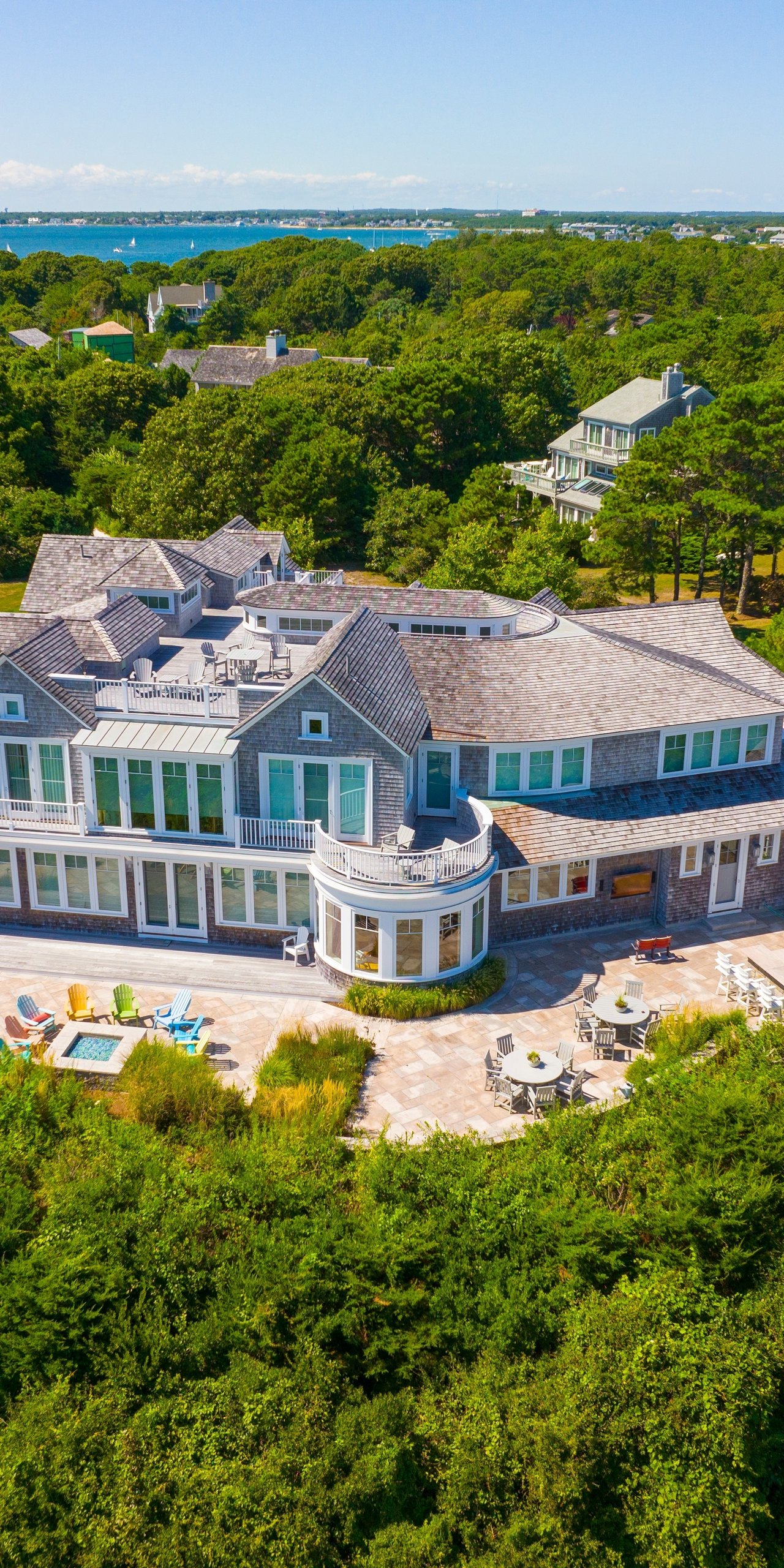
Dover describes itself as predominantly residential, with a peaceful rural setting, scenic roads, and a strong preference for open space. That shows up in daily life in a very tangible way. You notice it in the quieter streets, the larger-lot feel, and the easy access to woods, trails, and the Charles River.
At the same time, Dover is still part of the Greater Boston orbit. The town says it is about forty minutes from downtown Boston, which helps explain why it appeals to people who want more space without feeling fully disconnected from the city. For many buyers, that combination is the whole point.
Country Living Without Isolation
One of the biggest misconceptions about estate living is that it means giving up convenience. In Dover, the setting feels rural, but the town still connects naturally to nearby communities like Needham, Natick, Westwood, Medfield, Sherborn, and Walpole. That means many day-to-day needs are often handled within a short drive beyond town lines.
Dover also has a strong civic identity. The town profile points to active volunteerism and an engaged senior community, which helps create a local rhythm that feels connected and participatory. If you want privacy at home but still value a town with real community involvement, that matters.
Commuting From Dover to Boston
For many households, routine starts with the commute. Dover is largely road-based, and the town master plan identifies Route 109, or County Street, as the only state highway in town. Route 128 and Route 9 are readily accessible in neighboring communities, which is an important part of how many residents move through the region.
Dover does not have its own rail transit station. If commuter rail is part of your routine, the town notes that service is available in nearby Natick, Wellesley, Needham, and Walpole. For some buyers, that means driving remains the primary daily transportation plan, with rail options added when needed.
For residents who need a non-driving option, Dover’s Council on Aging operates JFK Transportation, which provides weekday rides to local destinations and Boston. The town is also advancing a rail-trail project on the former MBTA corridor to improve recreation and transportation connections over time. These details may not replace a daily drive, but they do add flexibility.
How Dover Supports Daily Routines
A move works best when your everyday systems still function smoothly. In Dover, that often means thinking less about walkable retail blocks and more about how your home base supports school drop-offs, work calls, outdoor time, and errands by car. If your routine already depends on planning and flexibility, Dover can fit surprisingly well.
This is especially true if home is where much of your day begins and ends. Larger properties, a quieter setting, and easy access to open space can make mornings and evenings feel calmer. For households balancing work, activities, and family schedules, that can be a meaningful lifestyle upgrade.
Schools and Community Schedules
For buyers with school-age children, routines often revolve around the academic calendar and extracurriculars. Dover-Sherborn Public Schools list Chickering Elementary, Pine Hill Elementary, Dover-Sherborn Middle School, and Dover-Sherborn High School. The district homepage reports an average class size of 18.5 and a 12:1 student-to-teacher ratio.
The high school’s about page says the district serves students from Dover and Sherborn and notes strong participation in extracurriculars and community life. That can be helpful context if you are trying to understand how school commitments fit into the broader pace of town life. It suggests a schedule shaped not just by academics, but also by local involvement.
Beyond schools, Dover has a clear community rhythm. The annual Town Meeting is held in May, and town programming adds structure across the year. If you appreciate a place where civic life is visible and recurring, Dover offers that kind of cadence.
Recreation That Fits Real Life
Outdoor access is not just a weekend perk in Dover. It is part of how many residents structure ordinary days. The town highlights miles of trails and woods for walking, cross-country skiing, birding, and horseback riding, along with access to the Charles River.
The open-space guide names well-known destinations including the Charles River Link Trail, Elm Bank Reservation, Hale Reservation, Noanet Woodlands, Larrabee Estate, and Medfield State Forest. The Charles River Link Trail is described as a 16-mile regional trail connecting Dover with Medfield, Natick, Needham, Newton, and Wellesley. Hale Reservation includes more than 1,200 acres overall, with 663 acres in Dover.
For you, this can translate into routines that feel healthier and easier to maintain. A walk before work, trail time after school, or a weekend morning outdoors does not require a major outing. In a town like Dover, nature can be part of the weekly rhythm rather than a special event.
Local Amenities and Community Hubs
Dover’s amenities are less about a dense commercial center and more about practical community anchors. The Caryl Community Center became the Parks & Recreation hub in September 2025, and many programs, workshops, and events are held there. Parks & Recreation also manages Caryl Park and Chickering Field.
The Dover Town Library is another important part of the town’s rhythm. It offers events for all ages and an online collection available 24/7. That may sound simple, but these kinds of civic resources often play a major role in helping a town feel active, usable, and connected.
The Practical Side of Estate Ownership
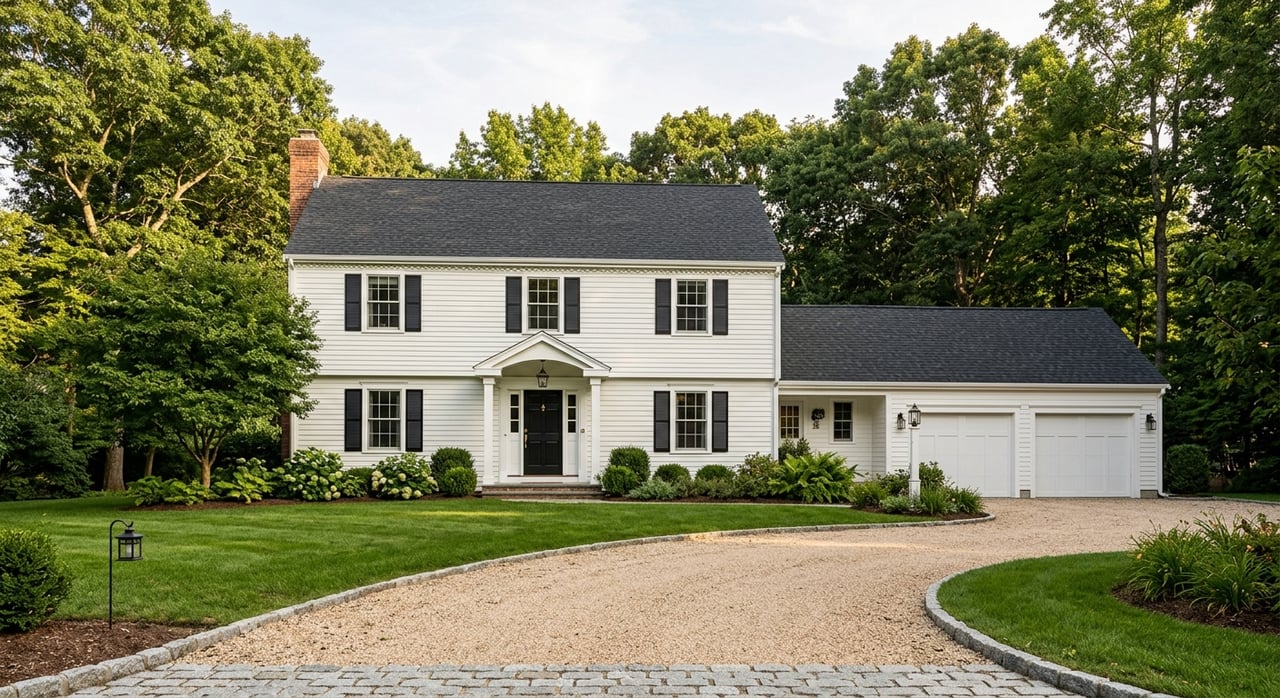
If you are considering a country estate property in Dover, lifestyle appeal is only part of the picture. The practical side matters just as much. Dover’s rural character often comes with private infrastructure that buyers should understand clearly before they make a move.
According to the 2025 Town Report, about two-thirds of households rely on private wells, while roughly 35% are served by public water suppliers. The same report says Dover does not have a public sewage system, so buildings require private sewage systems, typically septic tanks and distribution fields. The Board of Health regulates wells and septic systems and reviews water-quality testing at transfer of ownership.
This does not mean estate living is difficult. It means ownership comes with a different kind of responsibility than you might expect in a more fully serviced suburban setting. If you are prepared for that from the start, the transition tends to feel much smoother.
Water Use and Household Logistics
Dover’s water-restriction bylaw applies to all water sources, including private wells, Aquarion, and Dover municipal water. That is an important detail for buyers who assume private well use is entirely separate from townwide restrictions. In practice, outdoor watering and property maintenance still need to align with local rules.
Household logistics also include understanding how town services work. The Highway Department maintains roads, sidewalks, drainage, and the transfer station. Residents need a free transfer-station sticker to use that facility, which is one of those small but helpful details that can make move-in and daily life easier to plan.
Who Dover Often Fits Best
Dover often appeals to buyers who want land, privacy, and a calmer visual environment, but still need reasonable access to Greater Boston and surrounding suburbs. It can be a strong fit if your routine is home-centered, car-based, and built around structured weekly schedules. It may also appeal if you want outdoor access to be part of normal life, not something you drive far to find.
It is especially worth considering if you value thoughtful space over immediate retail convenience. In Dover, the tradeoff is often clear: fewer in-town urban-style conveniences, but more room, more quiet, and more connection to open land. For many households, that is exactly the right exchange.
Planning a Smart Move to Dover
If you are thinking about buying in Dover, it helps to evaluate the move through two lenses at once. First, think about the emotional side: the pace, setting, privacy, and outdoor access you want. Then think about the practical side: commute routes, rail backup options, school schedules, well and septic considerations, and how you prefer to handle errands and services.
That is where local guidance becomes especially valuable. The right home in Dover is not just about architecture or acreage. It is about finding a property that supports the routine you actually live.
If you are exploring Dover and want a clear, grounded view of how estate living fits into everyday life, working with a local advisor can help you weigh both the lifestyle upside and the practical details with confidence. To start that conversation, connect with Teri Adler.
FAQs
What is daily life in Dover, MA like for buyers seeking country estate living?
- Daily life in Dover often centers on a quieter residential setting, car-based routines, local civic resources, and easy access to trails, woods, and other open-space destinations.
How do Dover, MA residents typically commute to Boston?
- Dover is largely road-based, is about forty minutes from downtown Boston according to the town, and many residents use nearby access to Route 128, Route 9, or commuter rail stations in neighboring towns.
Are there commuter rail stations in Dover, MA?
- No. Dover does not have its own rail transit station, but commuter rail service is available in nearby Natick, Wellesley, Needham, and Walpole.
What should buyers know about wells and septic systems in Dover, MA?
- Many Dover homes rely on private wells, and because the town does not have a public sewage system, buildings use private septic systems that are regulated by the Board of Health.
What outdoor recreation options are available in Dover, MA?
- Dover offers access to trails, woods, the Charles River, and open-space destinations such as Noanet Woodlands, Hale Reservation, Elm Bank Reservation, the Larrabee Estate, Medfield State Forest, and the Charles River Link Trail.
How does Dover, MA support community involvement and local activities?
- Dover has town programming through Parks & Recreation, events and resources through the Dover Town Library, annual Town Meeting in May, and a civic culture the town describes as active and volunteer-oriented.