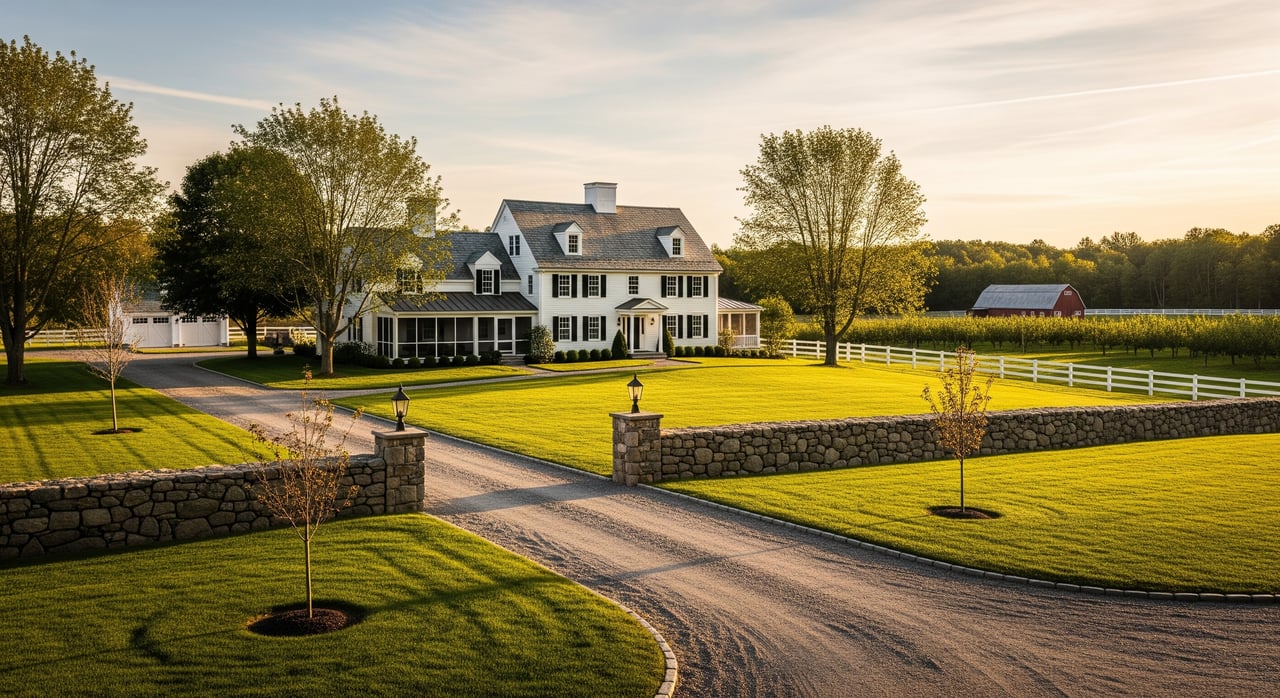
Dreaming of more room to breathe without giving up MetroWest convenience? If you picture gardens, a barn, or quiet woodland around you, Sherborn can offer that country feel close to Cambridge, Newton, and Framingham. Buying acreage here is different from buying a typical suburban lot. In this guide, you’ll learn the zoning basics, essential property checks, equestrian considerations, and lifestyle tradeoffs so you can move forward with confidence. Let’s dive in.
What “acreage” means in Sherborn
When buyers say “acreage” in Sherborn, they usually mean larger-than-typical lots that allow privacy, hobby farming, or room for horses and accessory buildings. Inventory can be limited because much of the town aims to preserve a rural character and some larger parcels sit under conservation or deed restrictions. The best way to understand current lot sizes and pricing is to review local sales records and tax cards rather than rely on general rules. A local agent can help you pull Assessor and Registry information to set realistic expectations.
Zoning basics to confirm
Zoning shapes what you can build, where you can build it, and how you can use the property day to day. Start by confirming the property’s zoning district in the Sherborn Zoning Bylaw, then check these items:
- Minimum lot size and frontage: These determine whether a parcel is buildable as-is or might be eligible for subdivision. Verify current requirements with the Planning Board.
- Setbacks and lot coverage: These define the buildable envelope for a home, barn, arena, and septic system.
- Accessory structures and agricultural use: Rules for barns, outbuildings, and agricultural activities vary by district. Some uses are allowed by right; others need a special permit or variance.
- Home occupations or accessory apartments: If you plan to house staff or add a legal apartment, confirm what is allowed.
- Open space or cluster options: Some towns allow development patterns that preserve open space while creating smaller lots. Ask whether Sherborn has a path like this for larger holdings.
For any project that is not clearly allowed by right, speak with the Building Inspector and Planning Board before you make an offer.
Septic, wells, and soils
On acreage, the single biggest deal-breaker is often the septic system. Under Massachusetts Title 5, new or expanded systems require soil testing and Board of Health approval. Focus on three things:
- Perc tests and septic design: Order perc tests and commission a septic feasibility report with a certified designer. Septic capacity affects your bedroom count and where you can place buildings.
- Private well: Many Sherborn parcels rely on wells. Verify well depth, recovery rate, water quality, and potential impacts from neighboring wells. If there is no well, plan for a test well and pump test before closing.
- Groundwater and ledge: High water tables and ledge can limit septic and foundation options. Ask your engineer or soil scientist to flag risks early.
Bring the Board of Health into the conversation early so you understand approval steps and any local rules.
Wetlands and wildlife constraints
Wetlands, floodplains, and sensitive habitats can reduce your usable area more than you expect. In Massachusetts, the Conservation Commission administers the Wetlands Protection Act. That means you should:
- Request a certified wetland delineation from a qualified consultant.
- Review any past Orders of Conditions and confirm whether work is complete and properly closed out.
- Check for mapped flood zones, vernal pools, or rare species habitat, which can affect tree clearing and construction.
If wetlands or buffers touch the parcel, plan your house, barn, and arena siting with the Conservation Commission’s guidance from the start.
Access, easements, and services
Legal and physical access are fundamental for year-round living on larger lots. Confirm these details in writing:
- Road type and maintenance: Learn whether the property fronts a public way or a private road. For private ways, review maintenance and plowing agreements, and consider winter driveability for long driveways.
- Easements and rights-of-way: Utility lines, shared driveways, and access easements can limit building locations and affect privacy. A title search will surface recorded rights.
- Utilities and connectivity: Long service runs for electric and cable can be costly. Ask utility providers about extension requirements and fees.
- Daily services: Confirm trash pickup, mail delivery, and emergency access, especially for remote homesites.
Taxes, insurance, and upkeep
Larger parcels often have higher assessed land values, which can mean higher property taxes. Insurance costs may also rise if you plan agricultural or equestrian uses. Build a realistic annual budget that covers:
- Home and umbrella insurance, and if applicable, barn and equine liability coverage
- Field mowing, brush clearing, and tree care
- Fence installation and upkeep
- Driveway maintenance and snow removal
A quick quote from insurers and service vendors will sharpen your financial picture before you commit.
Equestrian essentials
If horses are part of your plan, think about land area, layout, and permitting.
- Practical acreage: Many private owners find that 3 to 5 or more acres works better for small-scale horsekeeping, turnout, and pasture rotation. Larger operations typically need more land and specific approvals.
- Barn and arena siting: Respect all setbacks and septic locations. Lighting, dust, and traffic for a riding arena may require special permits.
- Manure management: The Board of Health may set standards for storage and runoff control. Plan for hauling or composting.
- Animal limits and stable rules: Local bylaws or health codes can limit the number of animals or require registration.
Talk with the Board of Health, zoning staff, and a local equestrian professional to create a workable site plan before you finalize a purchase.
Trails and open space near Sherborn
Sherborn and nearby towns offer access to conservation land and regional trail systems that appeal to riders, hikers, and nature lovers. The Conservation Commission, regional land trusts, and state park maps are the best places to find current trail information.
- Public vs. private access: Adjoining conservation land can be a major value boost, but access follows posted rules.
- Parking and trailers: If you plan to trailer out, confirm where you can legally park and turn around.
- Seasonal conditions: Wet soils and maintenance schedules can limit heavy use during spring thaw or after storms.
If trail access is high on your list, make it part of your on-site visits and due diligence.
Commute and daily life
Sherborn is part of MetroWest, so commute times vary by route and time of day. There is no MBTA station in town; the closest commuter rail stops are typically in Natick, Wellesley, or Framingham on the Worcester/Framingham line. Many residents drive to a park-and-ride or use major corridors like the Mass Pike, Route 9, and I-95/Route 128. Map your specific commute to Cambridge, Newton, or Framingham during your usual travel times to get a realistic picture.
In town, you will find a small village center with essential services like the post office, library, and local shops. For a wider selection of groceries, healthcare, dining, and cultural options, most people head to nearby Natick, Framingham, Dover, and other surrounding communities. If schools are a priority, confirm current districting and the Dover-Sherborn Regional School District arrangements for secondary grades.
Your due-diligence checklist
Request these documents before you go under contract:
- Recent survey or plan, including topography if available
- Current deed, any easements, covenants, or recorded conservation restrictions
- Current Assessor’s tax card and property tax history
- Board of Health well and septic records, if they exist
- Any Orders of Conditions or permits from the Conservation Commission
- Seller disclosures about environmental issues, such as underground tanks
Order these inspections and reports during your contingency period:
- Perc tests and a septic feasibility report or design
- Well pump test and full water quality analysis
- Wetland delineation and a pre-application conversation with the Conservation Commission
- Boundary survey if lines are unclear, and a title search by your attorney
- Soils report if there is evidence of ledge or unusual conditions
- Specialist consults, such as a septic designer, civil engineer, and wetland scientist
Smart next steps
- Confirm zoning, setbacks, and accessory use rules with the Building Department and Planning Board.
- Speak with the Board of Health about septic capacity, well requirements, and any animal rules.
- Walk the site with your engineer and wetland consultant to sketch a realistic building layout.
- Map commute routes and drive them at peak times to test your daily routine.
- Price out annual management costs so you know what ownership will look like.
Acreage in Sherborn offers a unique blend of privacy, open space, and MetroWest access. With careful due diligence on zoning, septic, wetlands, access, and equestrian needs, you can secure land that fits your vision for years to come. If you want a steady, local guide who knows how to navigate acreage purchases and equestrian questions, connect with Teri Adler. Let’s connect.
FAQs
What makes a Sherborn lot “buildable” for a home?
- You need to confirm zoning district, lot size and frontage, setbacks, septic feasibility under Title 5, and any wetlands or conservation constraints through the Conservation Commission.
How do I check for conservation or deed restrictions on acreage?
- Ask your attorney to review the deed at the Registry of Deeds and request records from the Conservation Commission for any recorded conservation restrictions or past Orders of Conditions.
Can I keep horses on residential land in Sherborn?
- Many buyers keep horses on several acres with proper siting and management, but you should confirm animal limits, manure rules, and any permit needs with zoning and the Board of Health.
What should I know about wells and septic before I buy?
- Order perc tests, a septic feasibility report, and a well pump test with water quality analysis; septic capacity drives bedroom count and siting, and well yield and quality affect daily use.
Where do Sherborn residents catch the commuter rail?
- Sherborn does not have its own station; many residents use nearby stations in Natick, Wellesley, or Framingham, and driving to a park-and-ride is common.
How do trails and open space affect property use?
- Nearby conservation land can offer lifestyle benefits and trail access, but use follows posted rules; verify whether horses are allowed and where parking is available for trailers.